 WorldS4 2026 — World Conference on Information Communication Systems, Software, Security and Sustainability





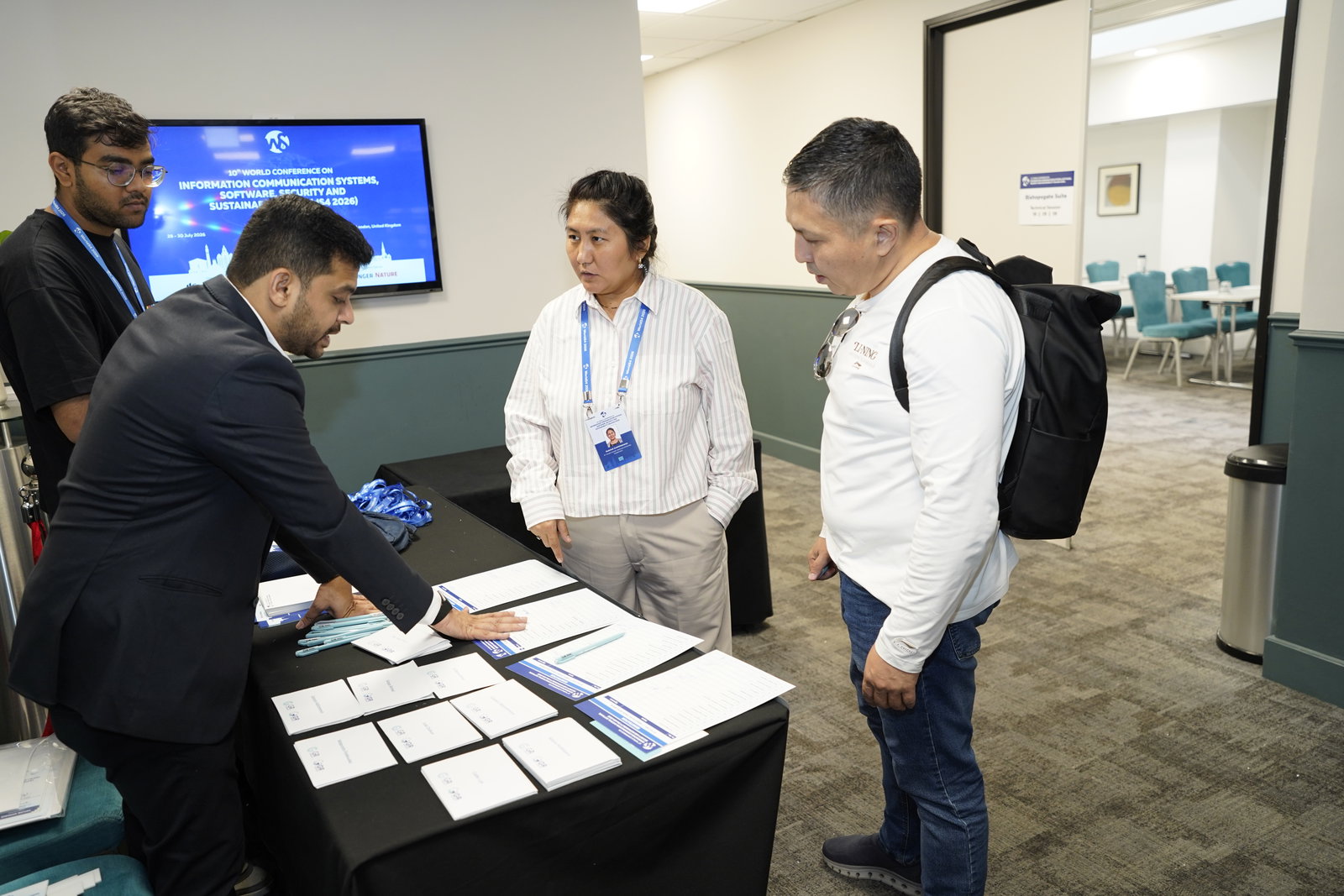
 WorldS4 2026 — World Conference on Information Communication Systems, Software, Security and Sustainability
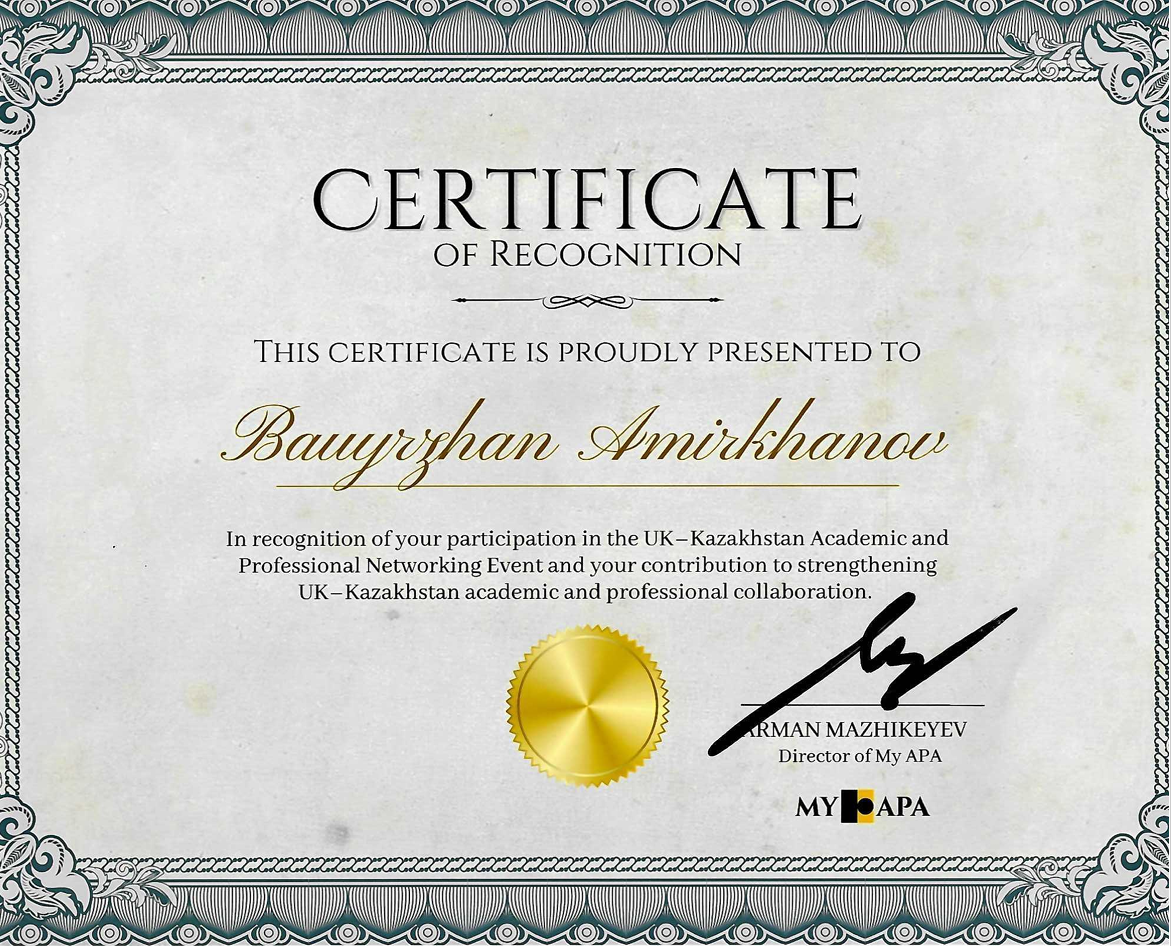
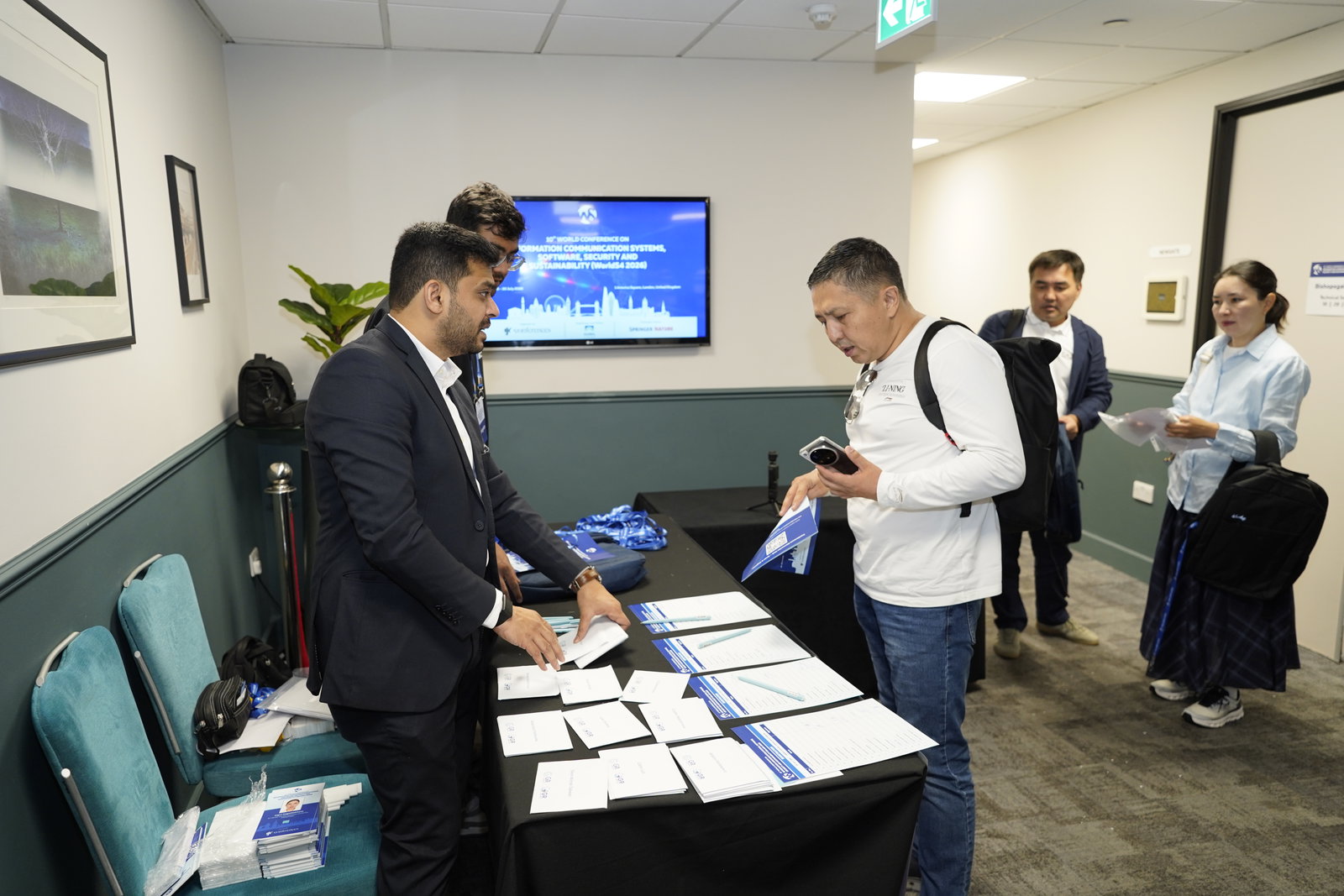
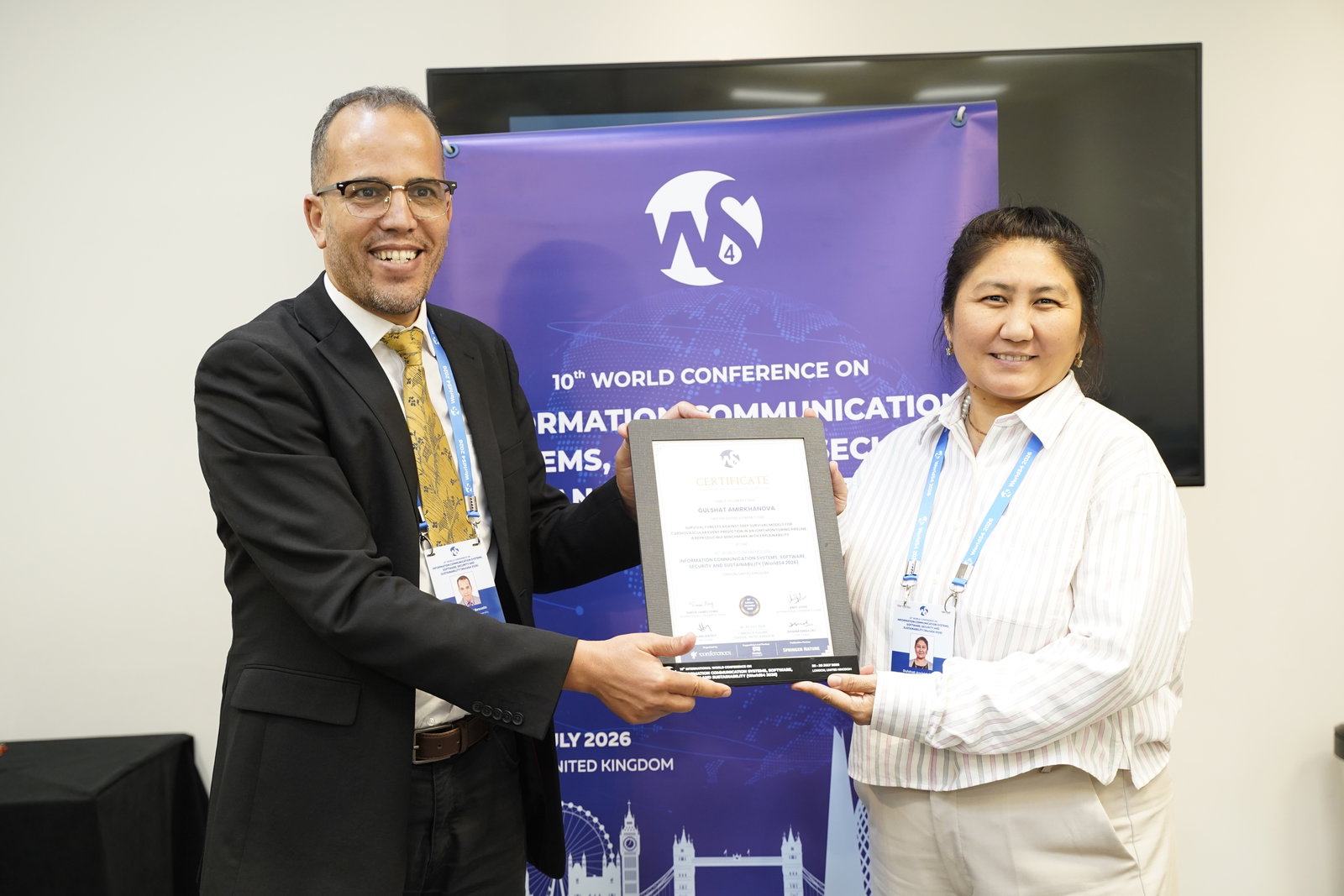
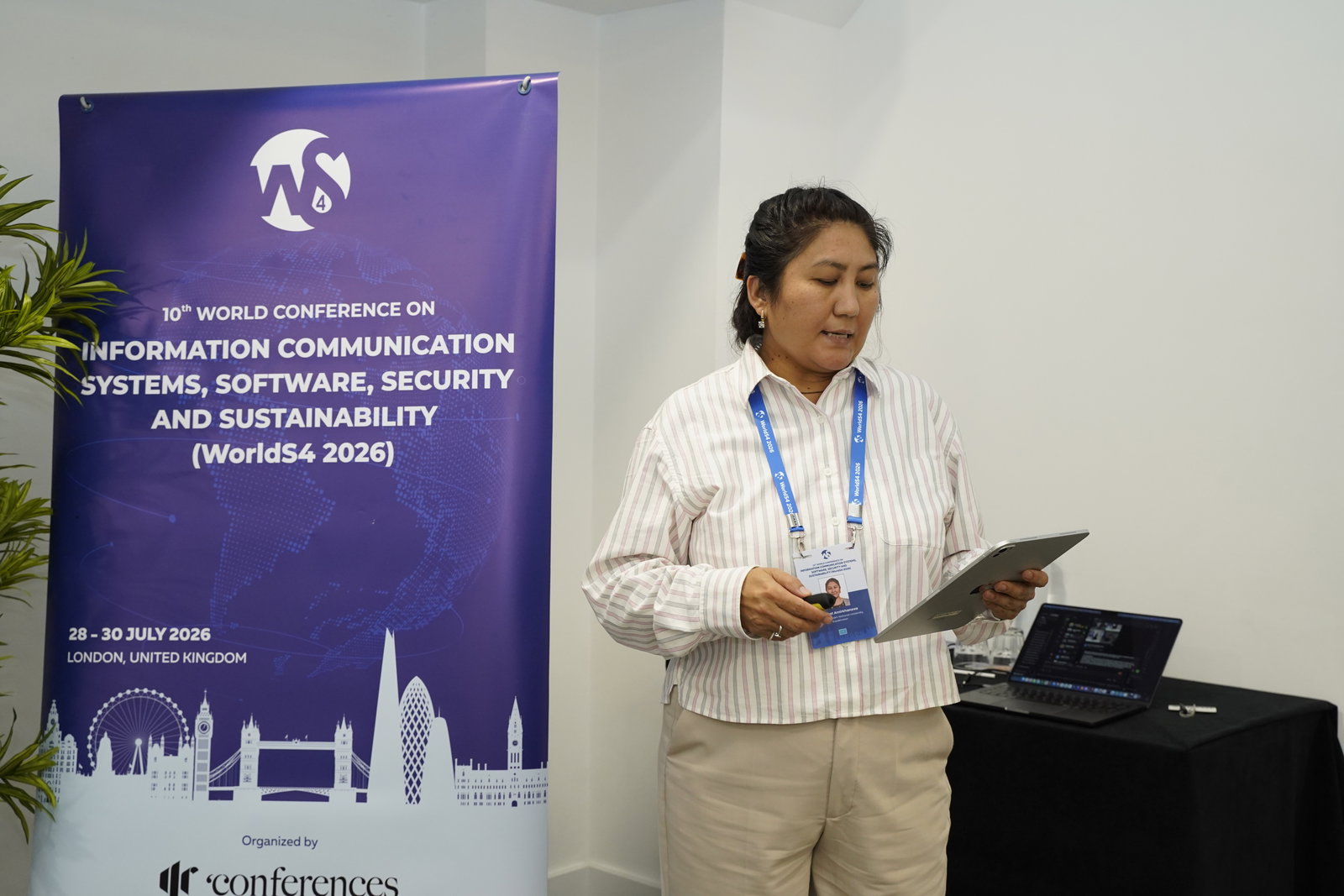
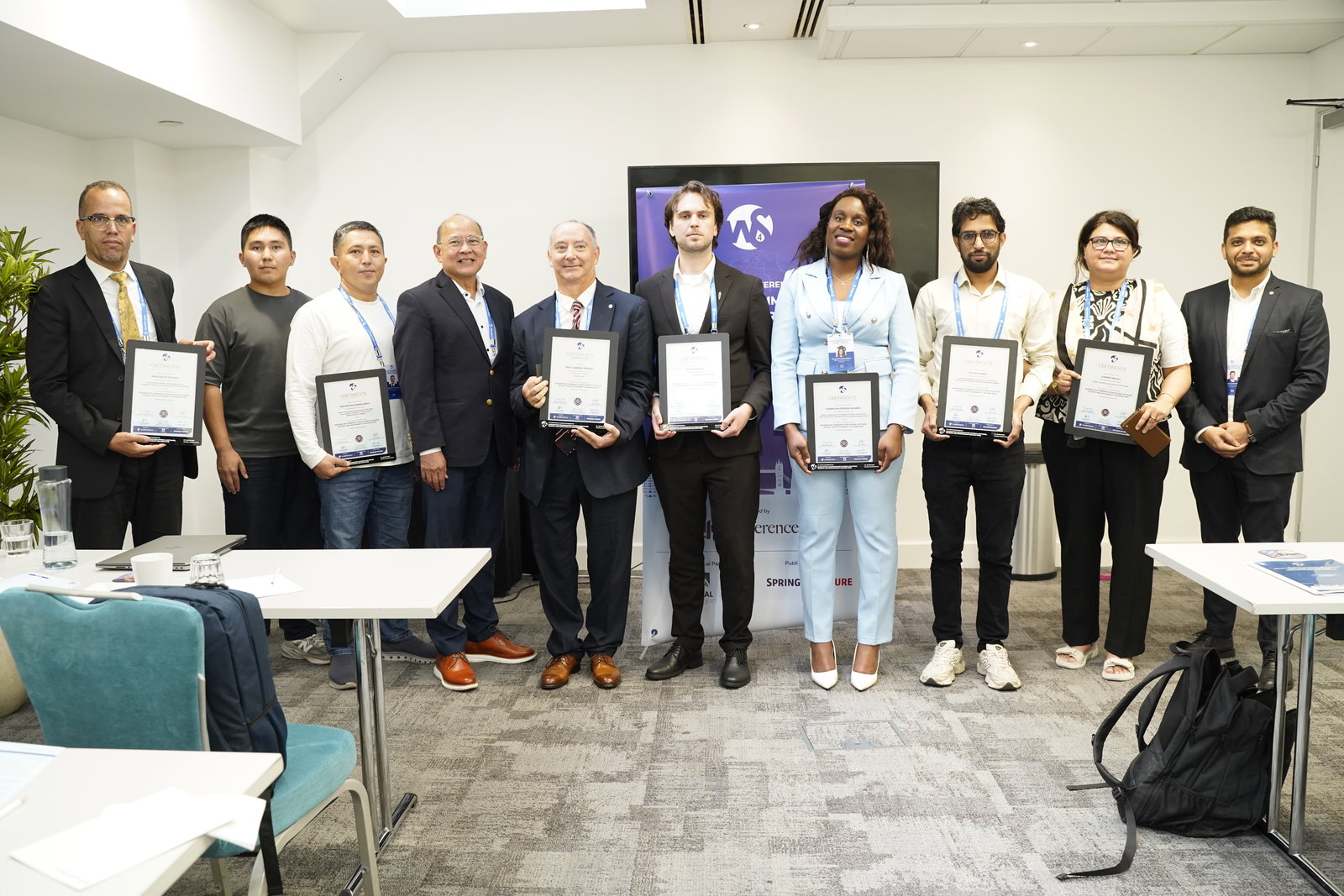
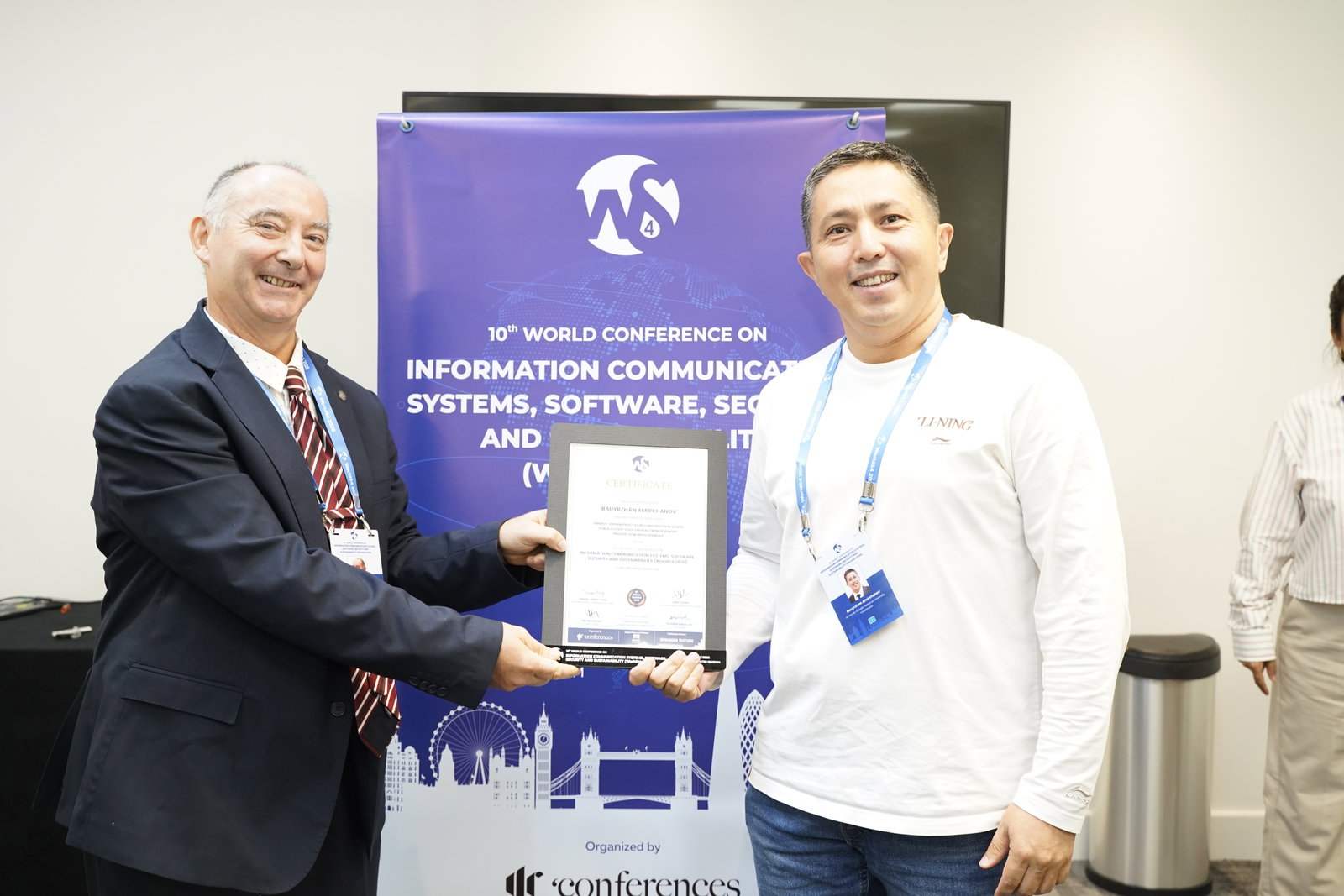
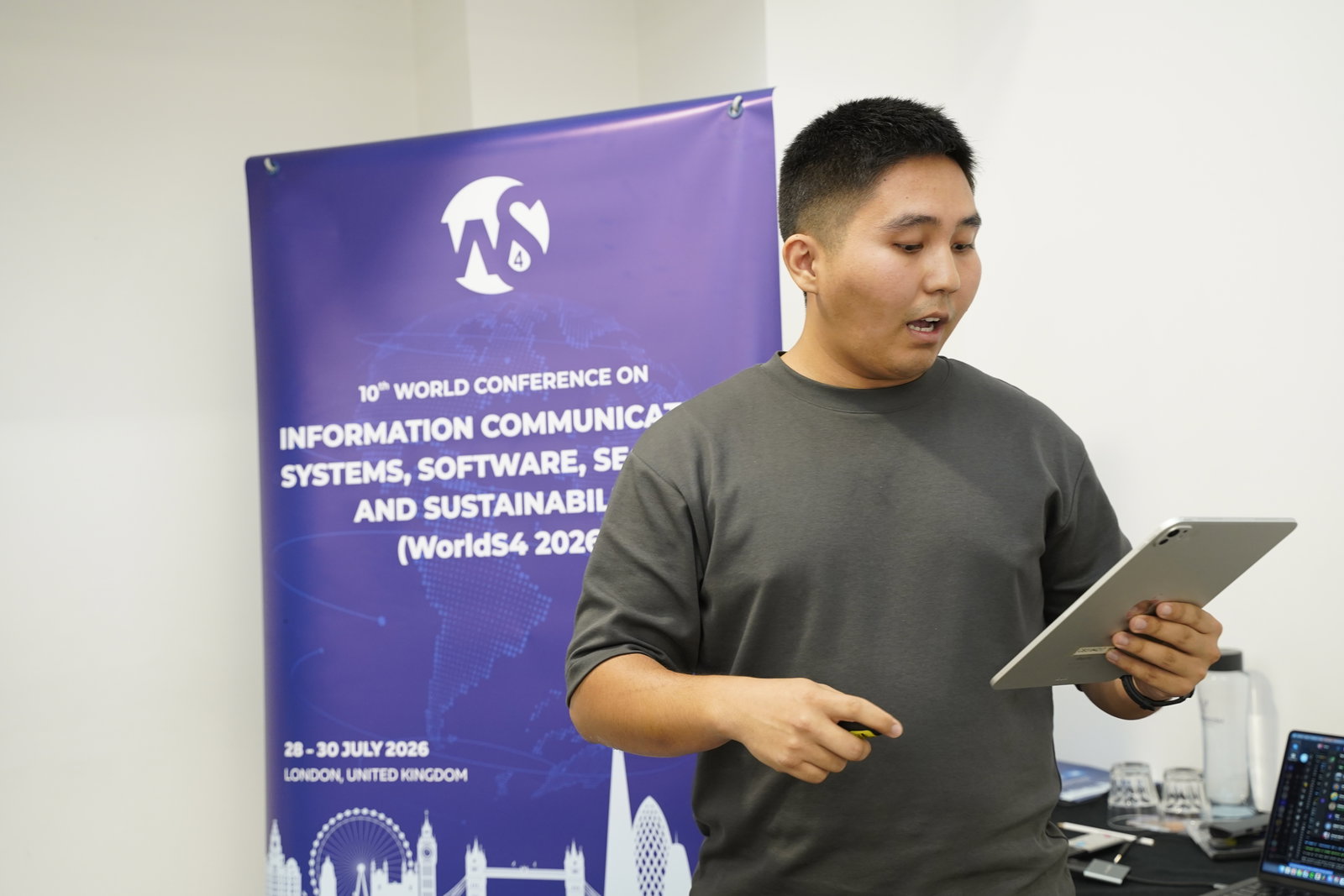
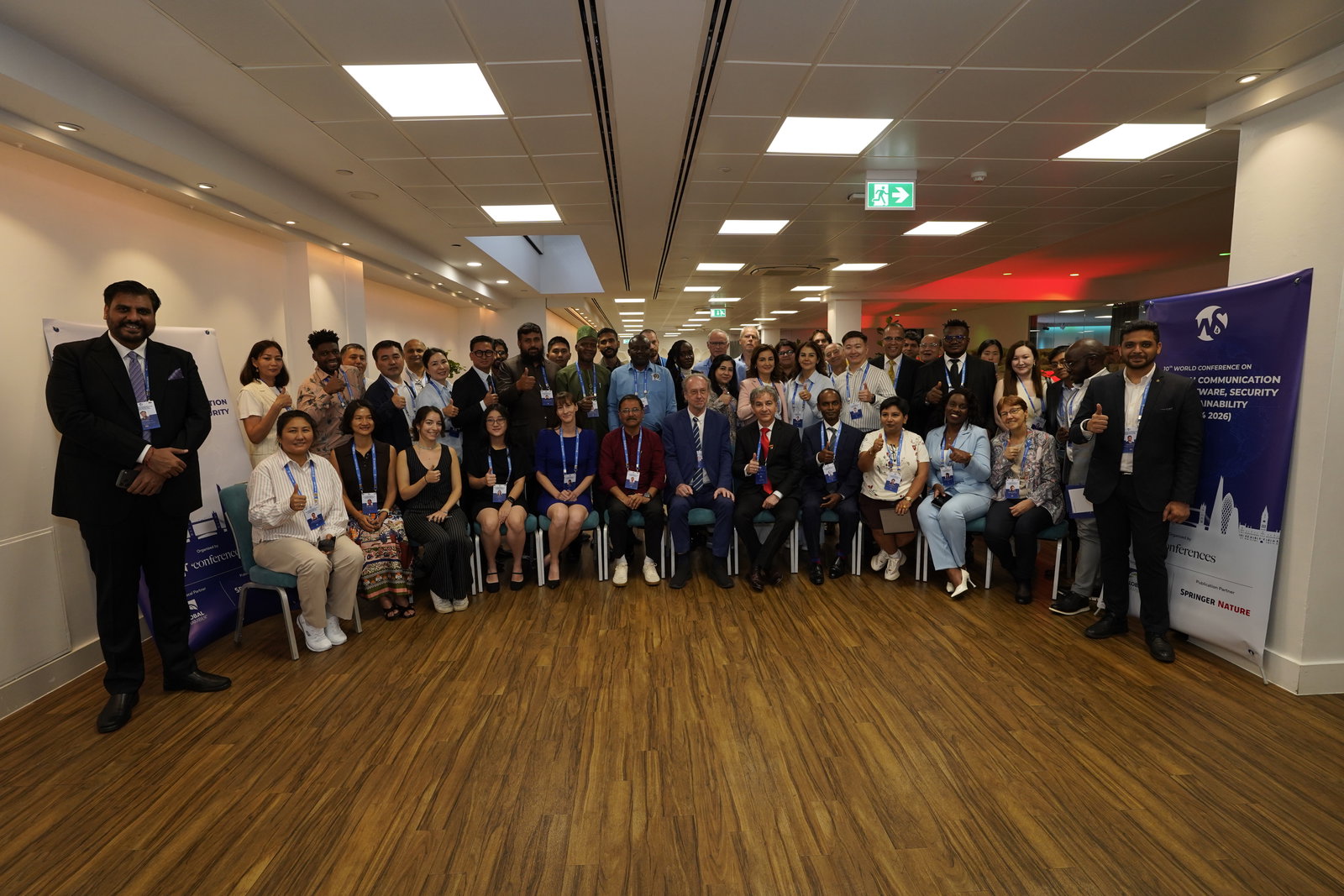
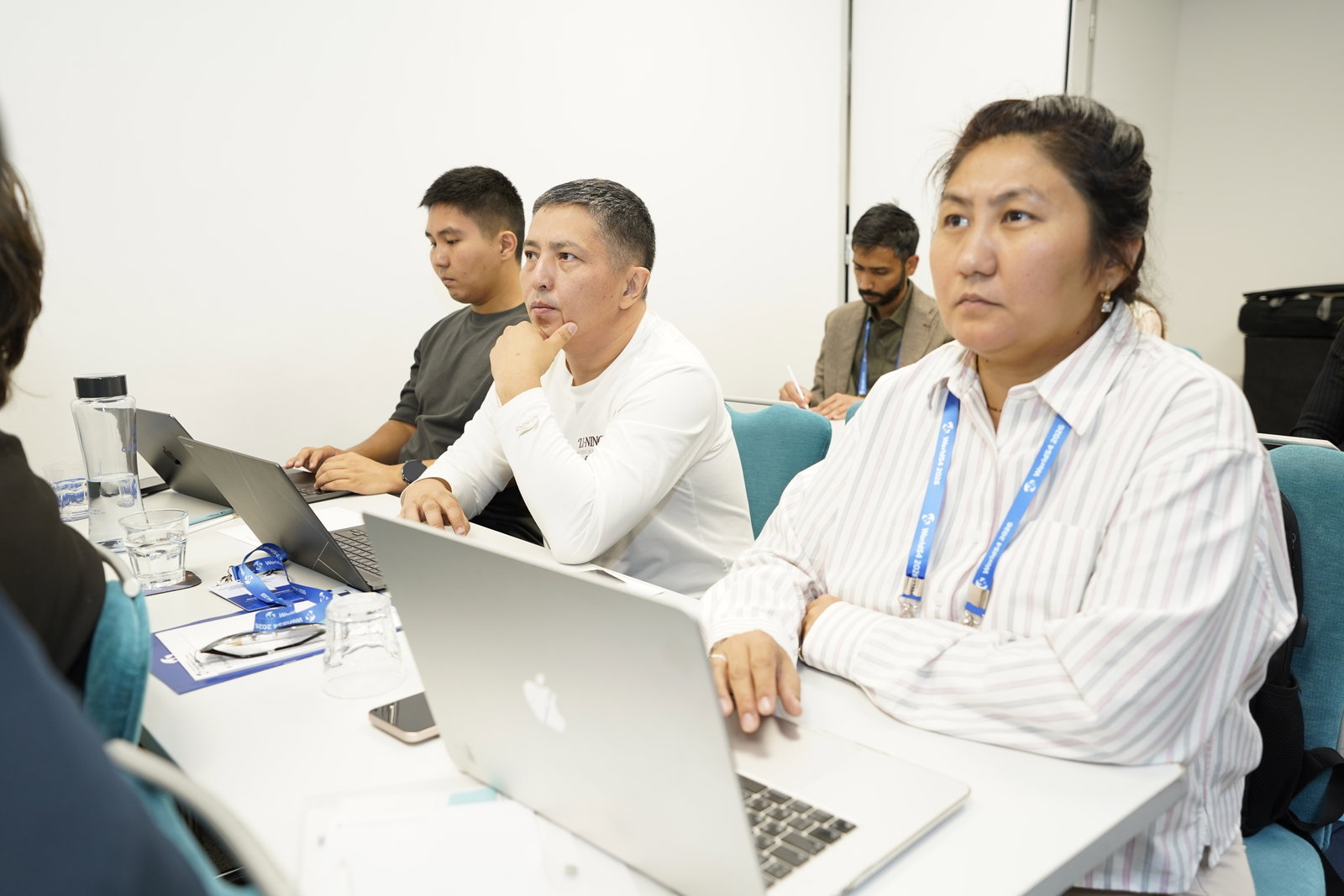
Our team took part in the 10th World Conference on Information Communication Systems, Software, Security and Sustainability (WorldS4 2026), presenting three papers on the digital twin project for a food industry enterprise (IRN BR24992975). The conference brought together leading researchers, engineers and scientists from around the world and served as an interdisciplinary venue at the intersection of computer science, engineering, economics and sustainability science — focused on transforming key socio-technical systems (energy, water, mobility, food) towards sustainable production and consumption.
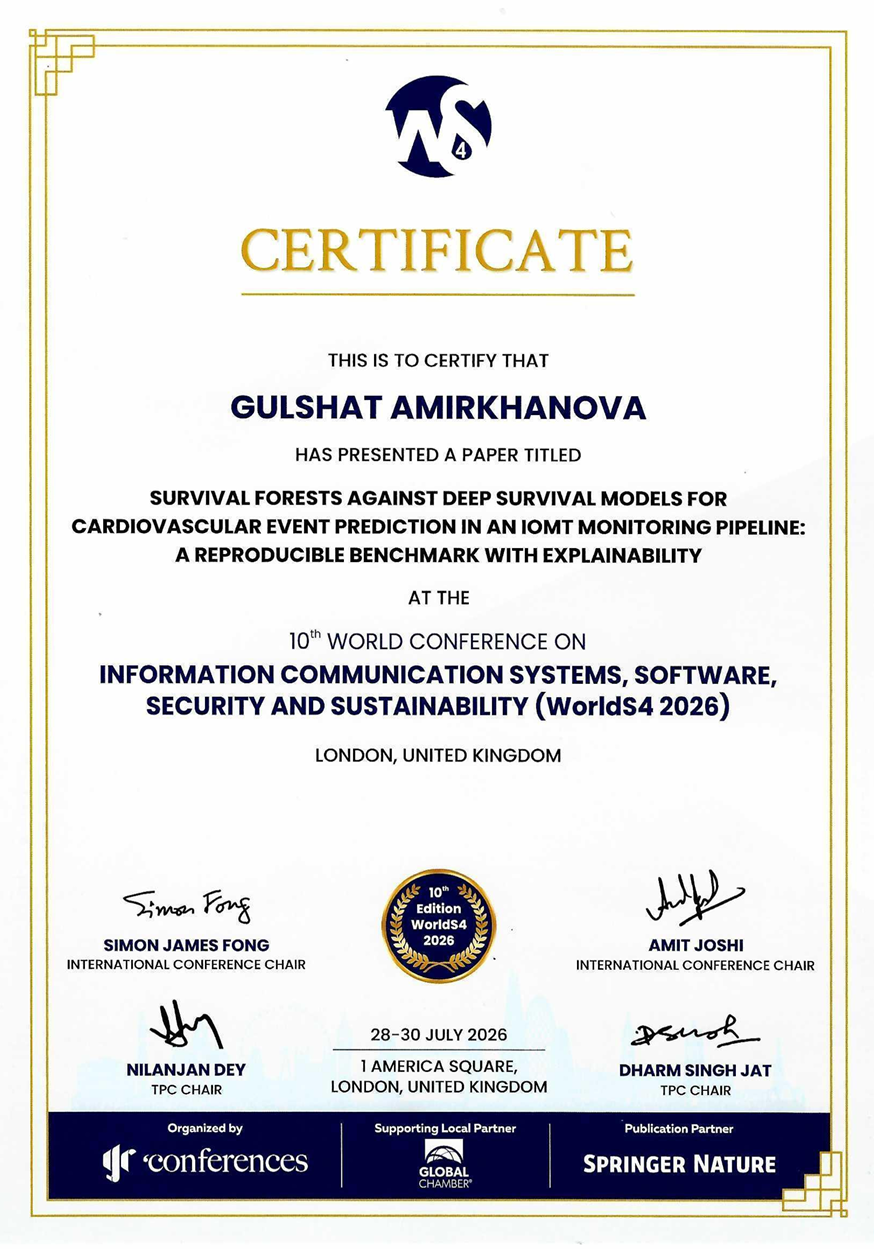
Paper 1. “Survival Forests against Deep Survival Models for Cardiovascular Event Prediction in an IoMT Monitoring Pipeline: A Reproducible Benchmark with Explainability”
Authors: Gulshat Amirkhanova
Summary: a reproducible benchmark of survival analysis methods — random survival forests and deep survival models — for predicting cardiovascular events in a monitoring pipeline based on the Internet of Medical Things (IoMT), with an emphasis on the explainability of the results.
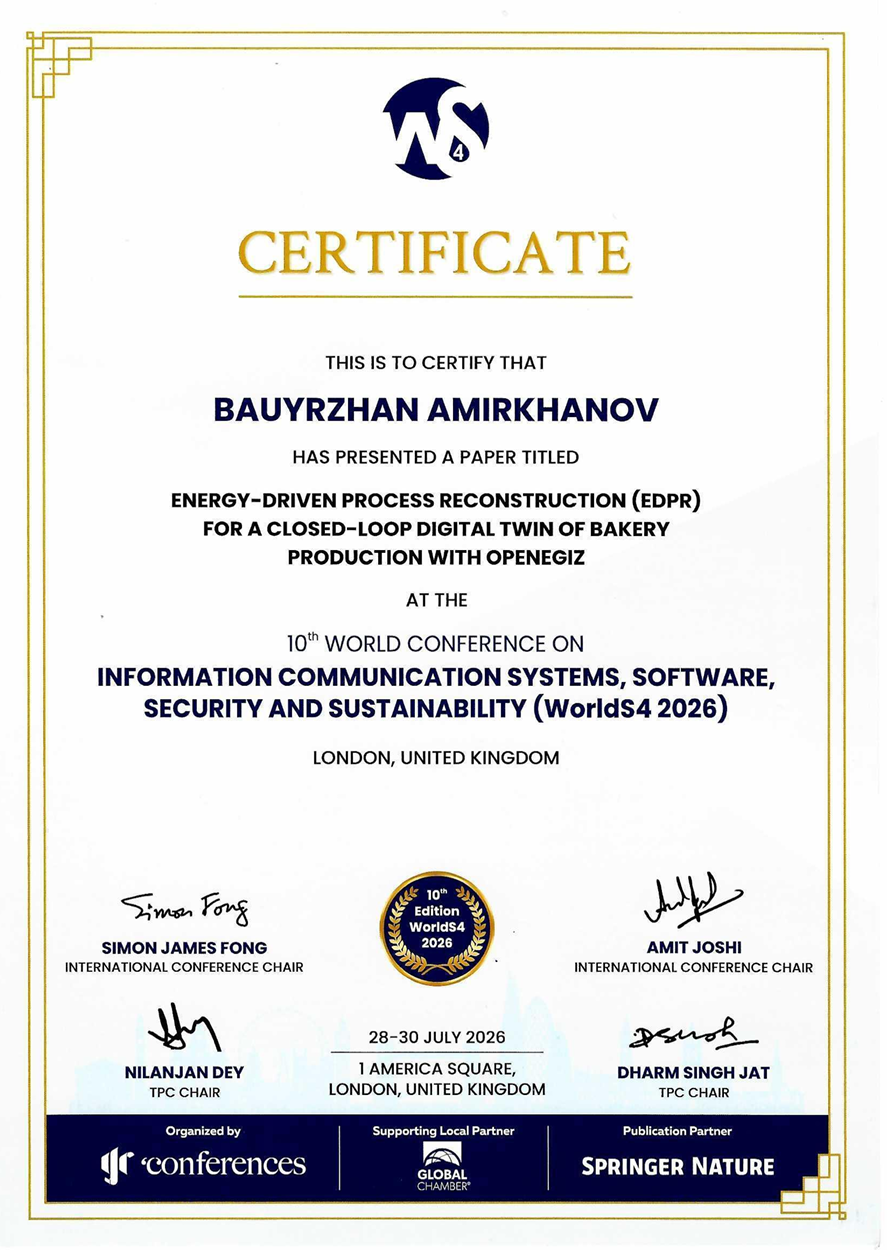
Paper 2. “Energy-Driven Process Reconstruction (EDPR) for a Closed-Loop Digital Twin of Bakery Production with OpenEgiz”
Authors: Bauyrzhan Amirkhanov
Summary: a method for reconstructing bakery production processes from energy consumption data (EDPR) for a closed-loop digital twin on the OpenEgiz platform. It makes it possible to recover the sequence of production operations and close the monitoring and control loop of the enterprise.
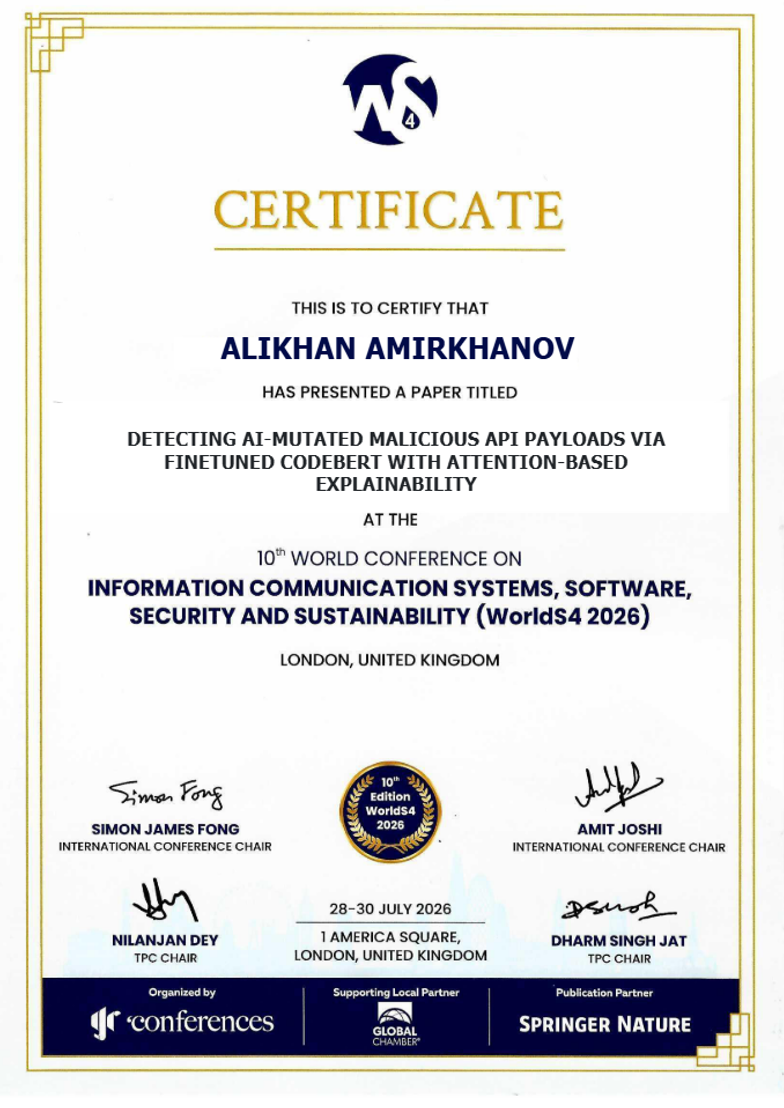
Paper 3. “Detecting AI-Mutated Malicious API Payloads via Finetuned CodeBERT with Attention-Based Explainability”
Authors: Alikhan Amirkhanov
Summary: detection of malicious API payloads mutated using AI, based on a finetuned CodeBERT model. The approach is complemented by attention-based explainability, which makes the model’s decisions interpretable and increases trust in the protection of the digital twin’s API interfaces.
The papers are published in the conference proceedings in the Springer Lecture Notes in Networks and Systems (LNNS) series, indexed in Scopus.